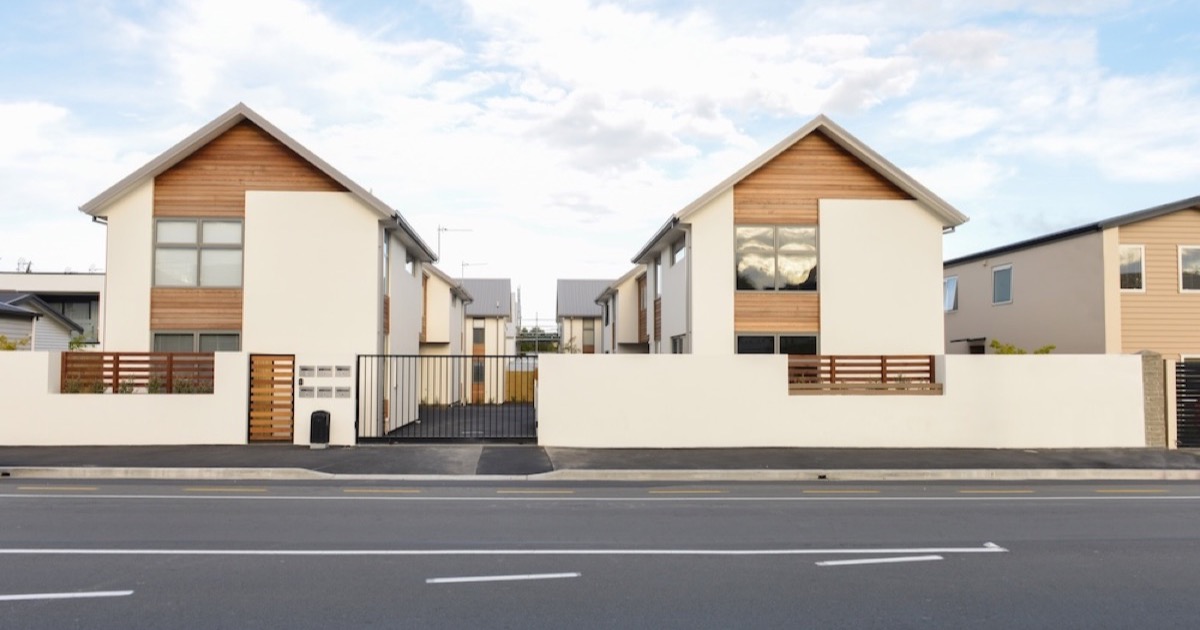
A 55-unit apartment building in Christchurch had known for years that its lifts were ageing. The body corporate committee had discussed it at several AGMs. But it kept getting deferred — the LTM fund had not been specifically provisioned for lift replacement, the cost estimates were vague, and nobody wanted to raise levies. In 2023 one of the lifts failed catastrophically. Emergency works were required within 30 days. The emergency levy that followed was $3,800 per owner, payable in two months. Three owners couldn't meet it.
The long-term maintenance plan is supposed to prevent exactly this. Every body corporate in New Zealand must have one. In theory it is a road map for the building's future maintenance, with costs estimated and funding planned. In practice, it is frequently a PDF that nobody has looked at since the building was set up, which isn't the same thing at all.
What does an LTM plan have to cover? At a minimum: the current condition of the common property and shared building elements, the maintenance work expected to be needed over the plan period, estimated costs, and a plan for how those costs will be funded. The point isn't to predict the future perfectly — it is to have a framework that stops the building from sleepwalking into expensive surprises.
The requirements differ based on building size. Every body corporate needs a plan covering at least 10 years. Large developments — those with 10 or more principal units — need a 30-year plan under the changes that took effect in May 2024, reviewed at least every three years (or sooner if something material changes). Large developments should also involve building professionals or other suitably qualified people when developing or reviewing the plan where that is necessary or appropriate — unless the owners vote by special resolution not to.
Funding the plan matters as much as writing it. The body corporate must establish an LTM fund unless the owners vote by special resolution not to. If they choose not to have a fund, they need to review that decision annually. A plan that says 'we need $200,000 for a roof replacement in year eight' but has no corresponding fund is a plan with a gap in it.
The most common failure isn't malicious — it is inertia. The plan gets written when the building opens, it gets filed, and nobody looks at it until something breaks. Buildings that actively use their LTM plan — reviewing it at every AGM, checking fund balances against the plan, adjusting levies to stay on track — are the buildings that avoid emergency levies. They are also the buildings that are easier to sell, because a buyer doing due diligence can see that the maintenance picture is genuinely under control.
For owners buying into a building: the LTM plan and the LTM fund balance are two of the most important things in the pre-contract disclosure statement. Not the current levy amount — the fund balance and whether the plan has been reviewed recently. A fund with $0 against a plan that anticipates $150,000 in work over the next five years is a financial liability that should factor into your purchase decision.
For committees: if your LTM plan hasn't been reviewed in more than three years, or if it is a template that nobody has customised to your actual building, it is worth addressing now. The cost of a proper building assessment and LTM plan review is a fraction of the cost of the kind of emergency that an underfunded plan creates.
Quarter is the new body corporate — transparent, owner-first, and built for the way people actually live together. See how it works at quarter.nz.