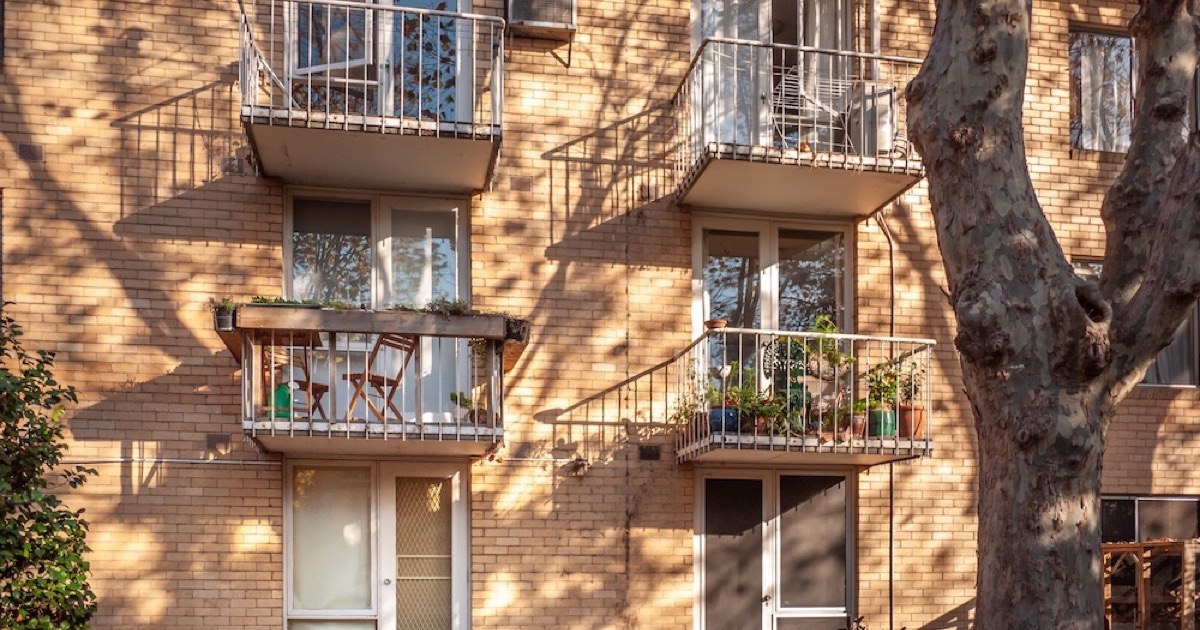
An owner in a 22-unit Newmarket building had been complaining about cigarette smoke rising from the unit below for 18 months. She had written to the committee six times. Each time, the response was some variation of 'we have forwarded your concern to the resident' or 'this is a matter between neighbours' or 'we understand your frustration.' The problem got worse. She hired a lawyer. Her lawyer pointed out that the body corporate has specific enforcement powers under the Unit Titles Act — powers the committee had not used once.
The body corporate isn't a bystander to disputes between residents. It has genuine authority to act when owners or tenants breach the operational rules or the Unit Titles Act, and a committee that consistently declines to exercise that authority isn't just unhelpful — it is potentially in breach of its own obligations.
What can the body corporate actually do? The starting point is a formal written notice to the person causing the problem, referencing the specific rule being breached and requiring them to stop. This is different from a friendly email asking them to keep it down. A formal written notice creates a paper trail, puts the recipient on notice that the body corporate is taking the matter seriously, and is often enough to resolve the issue.
If the formal notice doesn't work, the body corporate can apply to the Tenancy Tribunal for a compliance order — an order that requires the person to comply with the rules or the Act. The Tribunal can make orders that are enforceable. A person who continues to breach a compliance order can face further consequences, including financial penalties. The body corporate can also seek compensation for any costs incurred in enforcing the rules.
The escalation ladder looks like this: informal contact, then formal written notice, then mediation (which the Tribunal will often direct before a hearing), then a Tribunal hearing. Most problems resolve at the formal notice stage or during mediation. The minority that go to a full hearing tend to involve either repeated breach after a formal notice, or situations where the breach is causing serious harm to other residents.
On the cigarette smoke: the body corporate's operational rules almost certainly covered nuisance and interference with the quiet enjoyment of other owners. Smoke permeating from one unit to another is a textbook example. A formal notice, referencing those rules and the Act's nuisance provisions, with a clear statement that the matter would be escalated to the Tribunal if it continued, was the step the committee had been avoiding. When it was eventually sent — after the owner's lawyer got involved — the problem was resolved within three weeks.
For committees: you aren't obliged to police every minor irritation in the building. But when something is genuinely affecting another resident's ability to enjoy their property, and you have been told about it repeatedly, doing nothing isn't a neutral position. You have tools. Using them proportionately is what they are there for.
For owners dealing with a non-responsive committee: you also have individual rights under the Act. You can apply to the Tenancy Tribunal directly in relation to certain disputes — you don't always need the body corporate to act on your behalf. Getting advice from a lawyer who knows the unit titles jurisdiction before you file is worth the investment.